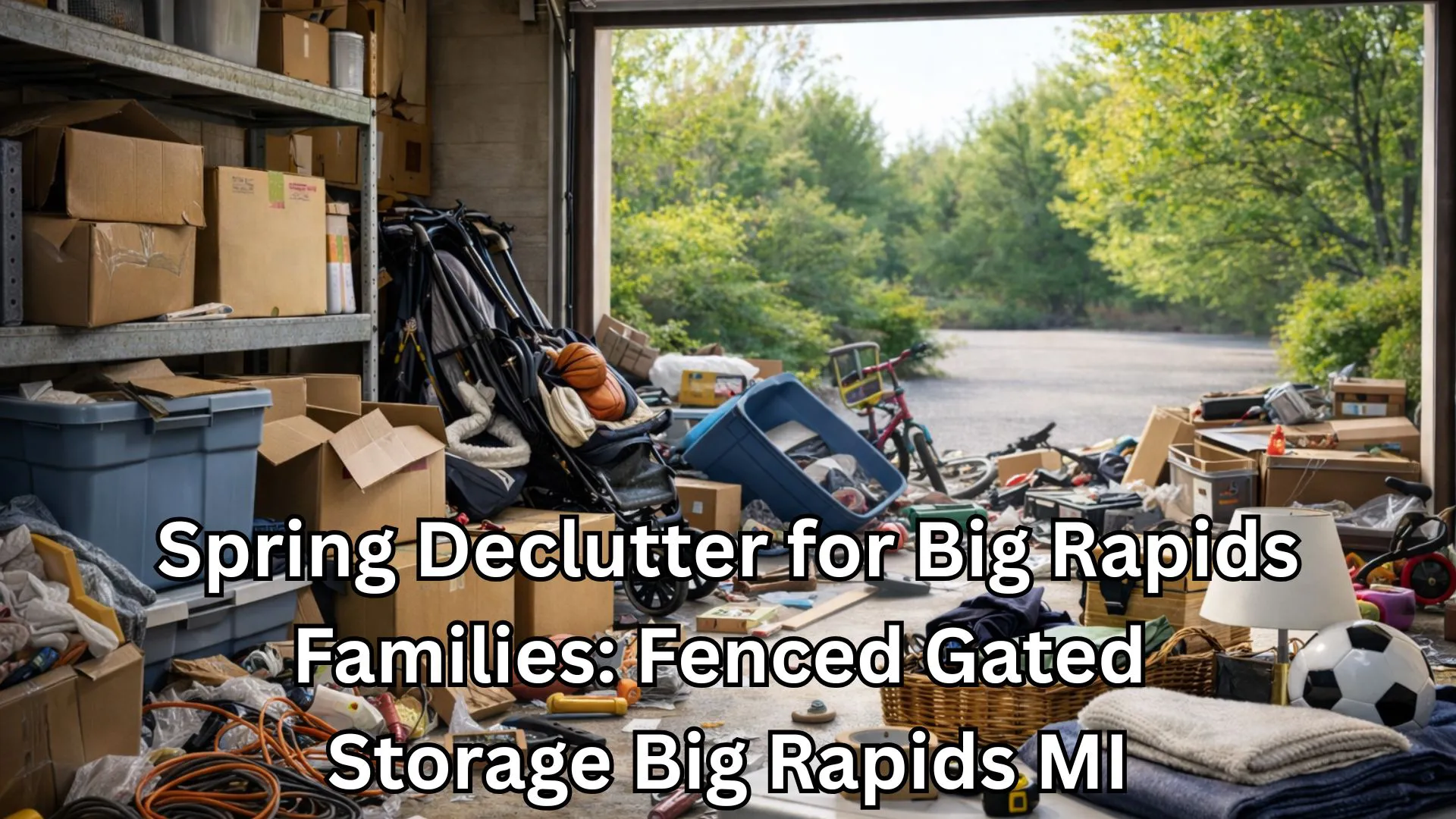
Few things are as satisfying as completing a home improvement project. If you are remodeling a bathroom, refinishing furniture, updating outdoor living spaces, or finally tackling that long-postponed DIY idea, the process often starts with excitement and inspiration. However, as many homeowners quickly discover, the reality of a project can involve piles of supplies, scattered tools, and rooms that feel more like construction zones than living spaces.
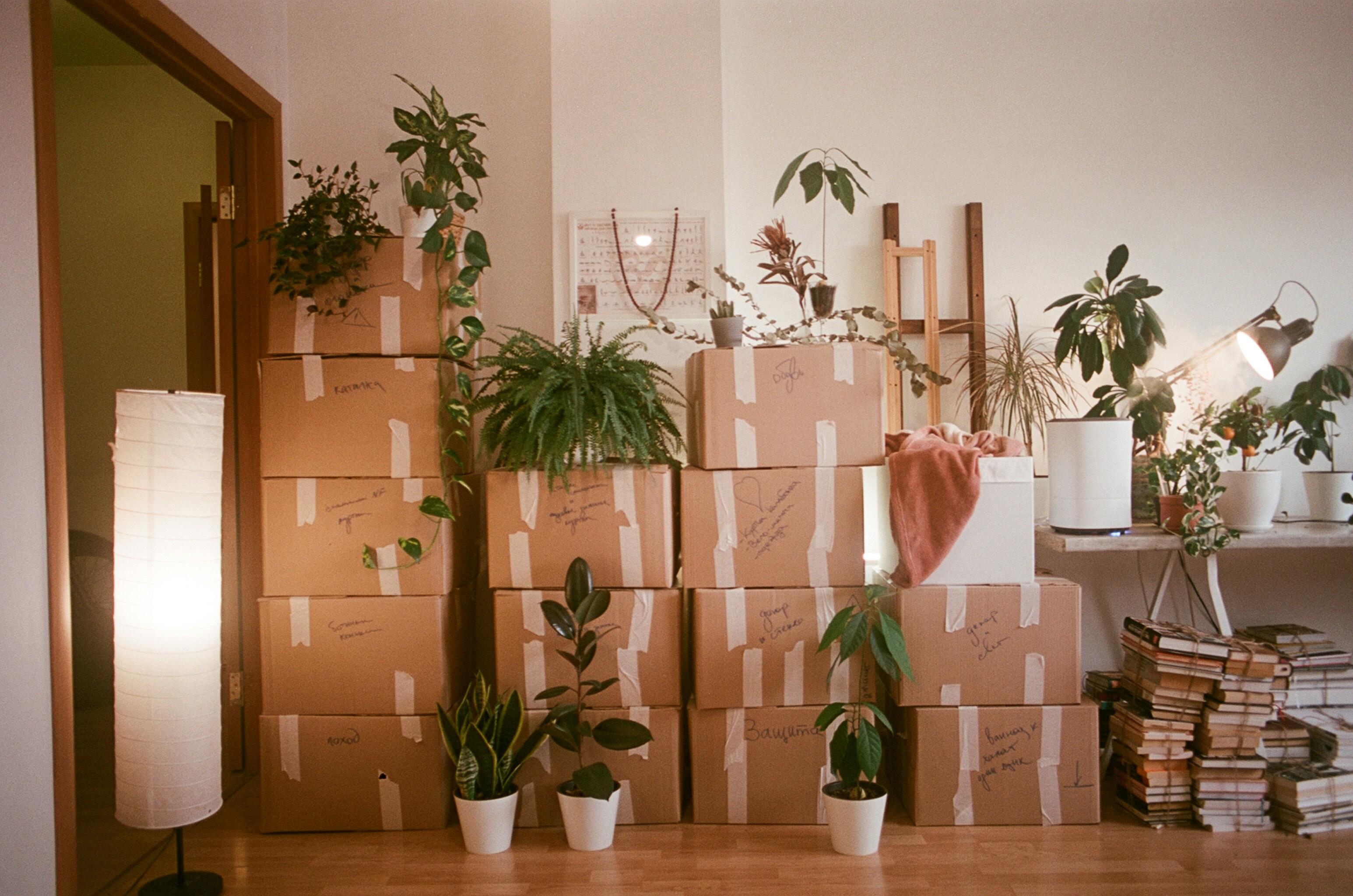
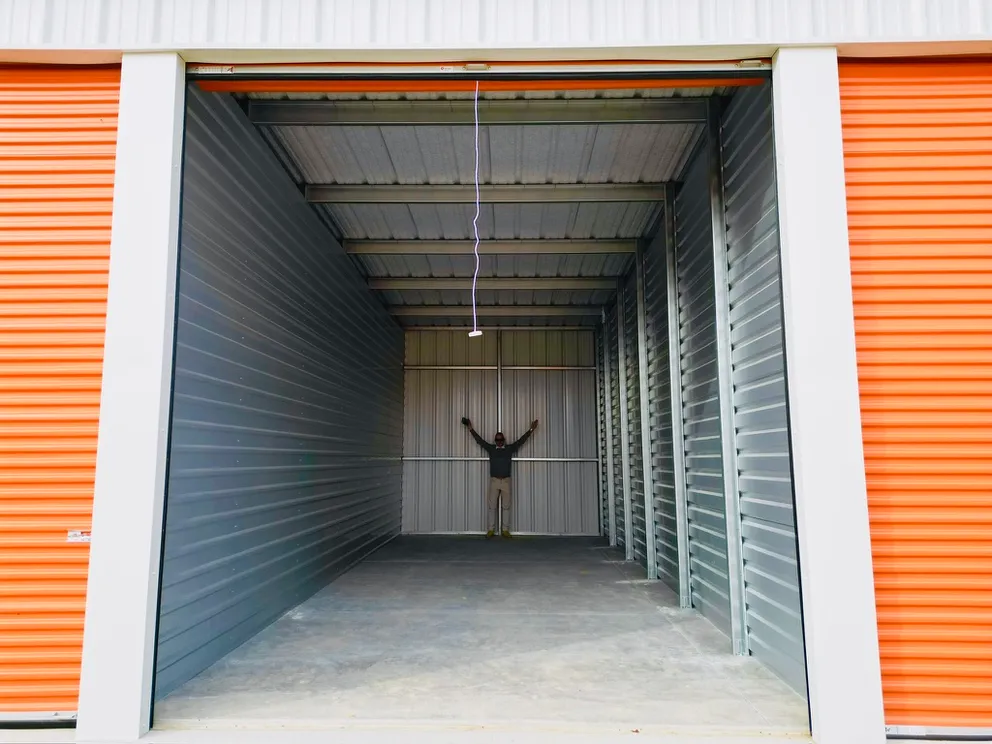
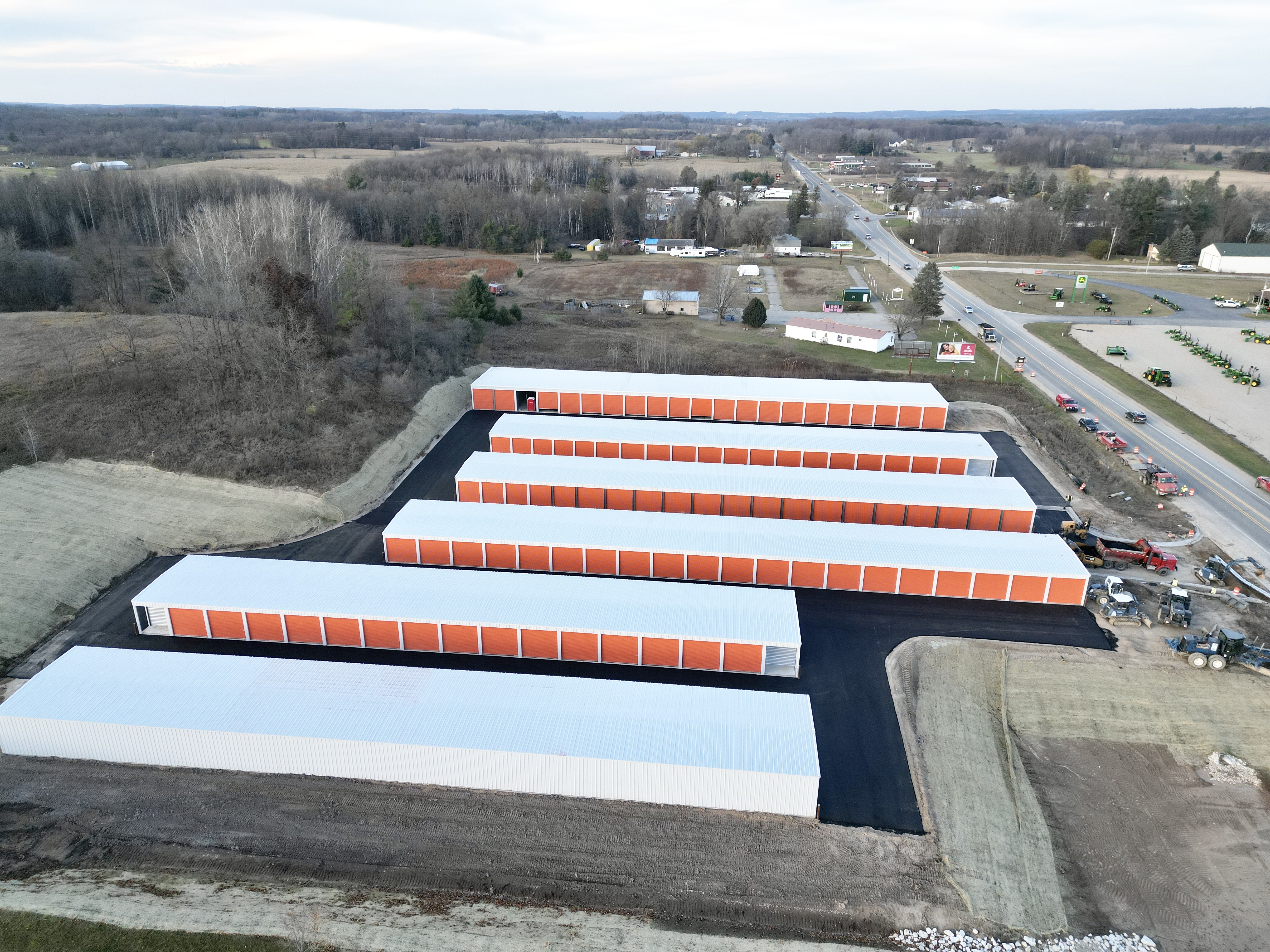
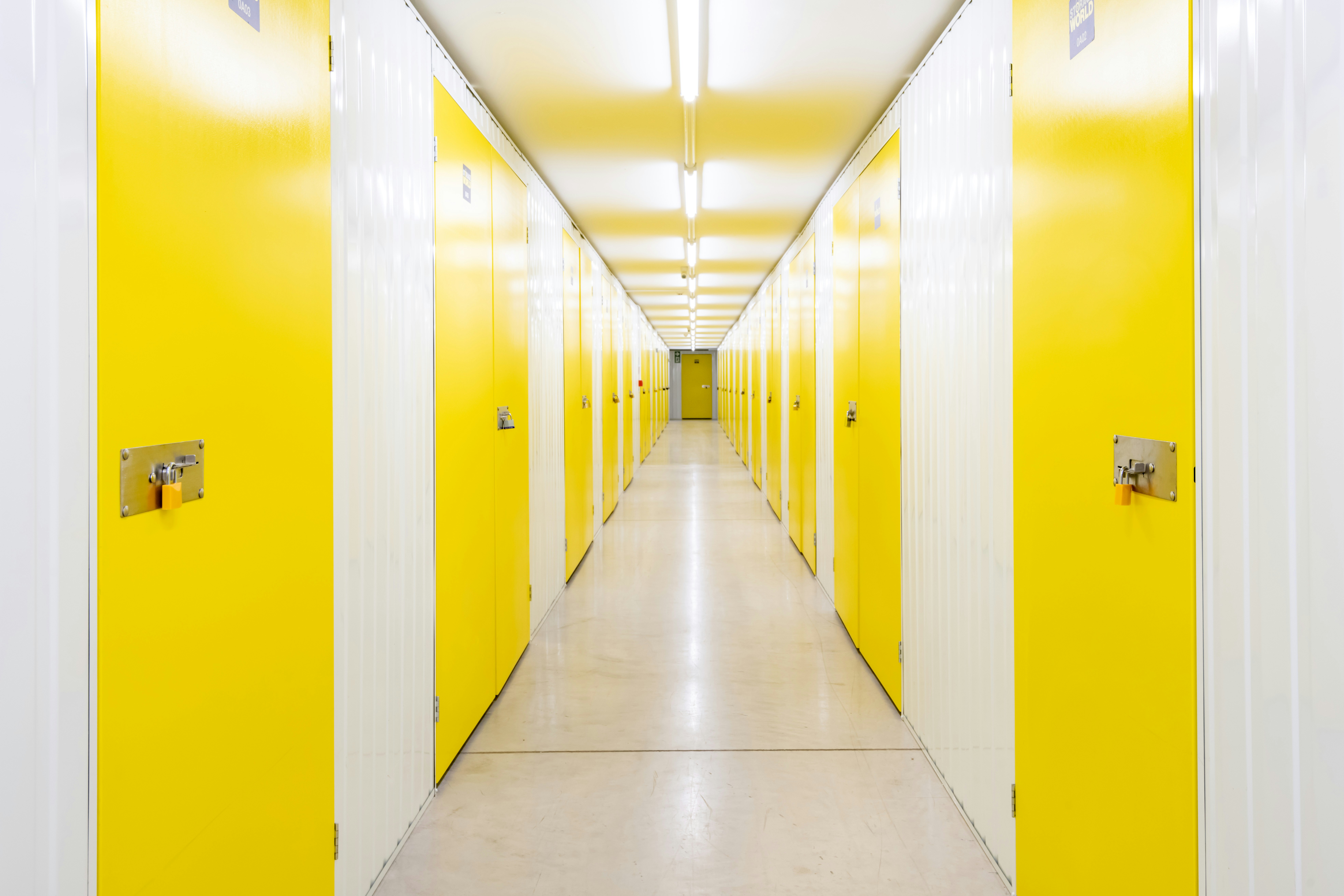
As projects grow, so does the challenge of keeping everything organized. Materials begin to take over the garage, tools migrate into hallways, and completed pieces compete for space with unfinished ones. Before long, even simple daily routines can feel disrupted. Fortunately, there is a practical solution that many homeowners overlook: using a storage unit as a dedicated project staging space. For residents looking into flexible storage options in Big Rapids, a storage unit can provide the extra room needed to organize materials, protect valuable equipment, and create a structured workflow throughout the life of a project. Rather than allowing renovations or DIY work to spread throughout your home, you can establish a centralized location that keeps everything accessible while preserving your living space.
Key Points for Readers Short on Time
A storage unit can function as a dedicated staging area for home improvement and DIY projects.
Keeping materials and tools off-site reduces clutter and disruption inside your home.
Organized storage improves efficiency and helps projects stay on schedule.
Big Rapids homeowners often benefit from additional space for outdoor recreation equipment and seasonal projects.
Using a storage unit throughout a project can improve safety, organization, and overall peace of mind.
Why Home Projects Often Create More Clutter Than Expected
Many homeowners underestimate just how much space a project requires. At first, it may seem manageable to store a few boxes of supplies in the garage or stack materials in a spare room. However, projects tend to evolve. New materials get added, unexpected tools become necessary, and temporary storage solutions quickly become permanent headaches. For example, a simple kitchen update may require cabinets to ...
Alicia Aguirre
May 29th, 2026