
Before the First Snow: Preparing Your Car, Boat, and RV for Winter Storage in Big Rapids, MI
Before the First Snow: Preparing Your Car, Boat, and RV for Winter Storage in Big Rapids, MI
Josh Summerhays
October 22nd, 2026
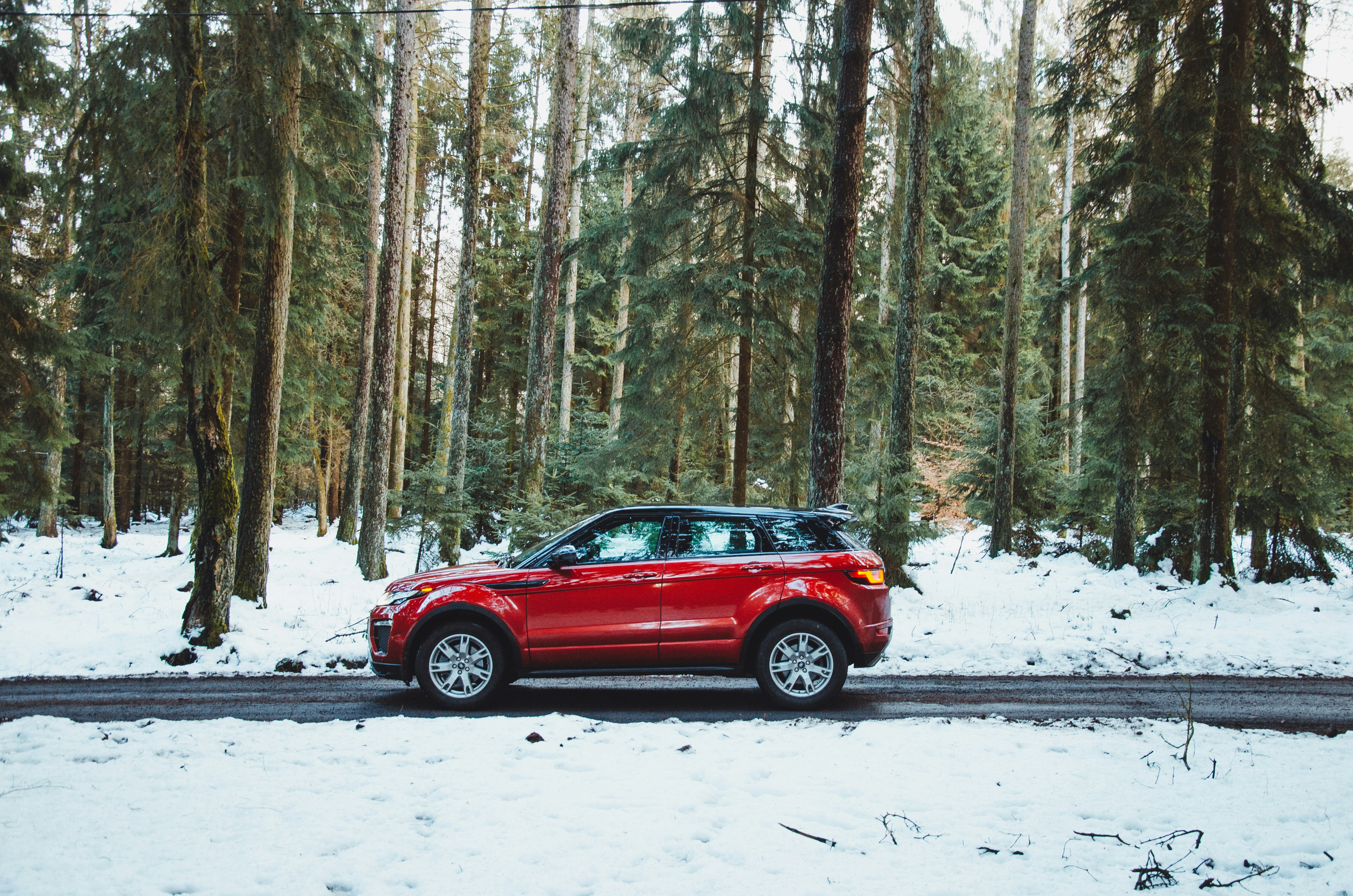
Winter storage takes more planning than parking a vehicle and leaving it until spring. Cars, boats, and RVs each have parts that need attention before extended inactivity. Batteries can discharge, moisture can collect in enclosed spaces, and water left in plumbing or engine systems can freeze. A few maintenance steps before storage can prevent expensive problems when you're ready to use your vehicle again.
At 24/7 Storage, we offer storage options in Big Rapids for residents preparing to put vehicles and recreational equipment away for the season. Our facility at 18755 Northland Drive, near Roben-Hood Airport, offers oversized storage units with high ceilings and wide doors, plus 24-hour property access. Before choosing a space, it helps to understand what your particular vehicle needs during the winter months.
Preparing Your Car for Winter Storage
A car that won't be driven for several months needs different maintenance than one used regularly throughout winter. Extended inactivity affects the battery, tires, fuel system, and other mechanical components. Preparing these areas before parking reduces the likelihood of maintenance problems when the car returns to the road.
Clean the Exterior and Interior
Wash your car thoroughly before putting it into storage, paying attention to the wheel wells, undercarriage, and areas where dirt or road salt collects. Residue left on painted or metal surfaces can contribute to corrosion, especially when moisture is present. Dry the vehicle before covering it or placing it in an enclosed space.
The interior deserves attention too. Remove food, wrappers, and other materials that could attract rodents. Vacuum the seats and carpets, wipe down surfaces, and check that the trunk is clean. If you've recently cleaned the upholstery or carpets with water, allow them to dry completely before storing the vehicle.
Check the Battery and Fuel System
Car batteries gradually lose charge while a vehicle sits unused. For extended winter storage, consult your owner's manual about disconnecting the battery or using an appropriate battery maintainer. If the battery will be removed, store and maintain it according to the manufacturer's instructions. Confirm that any electrical maintenance equipment is permitted at your storage location before connecting it.
Fuel preparation depends on the vehicle and how long it will remain parked. Some gasoline-powered vehicles benefit from a manufacturer-approved fuel stabilizer, while others have different storage requirements. Follow the instructions for your specific model rather than assuming every car needs the same treatment. It's also worth checking the engine oil and coolant condition before storage.
Protect the Tires and Brakes
Tires can develop flat spots when a car remains stationary for an extended period. Check the tire pressure before storage and maintain the manufacturer's recommended inflation level. If the vehicle will remain parked for several months, ask a qualified mechanic whether additional tire precautions are appropriate for its weight and tire construction.
The parking brake also deserves consideration. On some vehicles, leaving it engaged for a long period can contribute to brake components sticking. Follow the owner's manual for long-term parking instructions and use approved wheel chocks where appropriate. The vehicle should remain on a stable, level surface throughout storage.
Choose a Suitable Storage Space
An enclosed storage unit provides a physical barrier against direct snow accumulation and falling debris, though it doesn't eliminate temperature changes or moisture concerns. A properly fitted, breathable vehicle cover offers another layer of protection, particularly when the car will remain parked for several months.
At our Big Rapids property, we offer units in several larger dimensions, including 10x20, 10x30, and 12x30. The right choice depends on your vehicle's actual measurements and the clearance needed to enter the unit safely. Measure the vehicle, including mirrors and accessories, and confirm the door opening before renting.
Preparing Your Boat for Winter Storage
Boat winterization requires particular attention because water can remain inside the engine, plumbing, and other equipment after the boating season ends. If that water freezes, it can expand and damage components that are expensive to repair or replace.
Our guide to storing boats, pontoons, RVs, and trailers during the off-season covers additional considerations for recreational vehicles. The most important starting point for a boat is following the winterization procedure designed for its engine and onboard systems.
Winterize the Engine and Fuel System
Boat engines require different winterization procedures depending on their design. An outboard motor, sterndrive, and inboard engine won't necessarily have the same requirements for draining water, protecting cooling passages, or maintaining the fuel system.
Consult the engine manufacturer's winterization instructions before performing maintenance. Depending on the engine, preparation may include changing the oil, stabilizing the fuel, protecting internal components against corrosion, and draining or treating the cooling system. Marine antifreeze must be used only where specified, and the correct product and procedure matter.
If you're unfamiliar with the process, a qualified marine technician can complete the winterization before the boat enters storage. This is especially important for engines with raw-water cooling systems, where trapped water can cause serious damage during freezing conditions.
Drain Water and Dry the Interior
Water left inside a boat can create problems beyond engine damage. Livewells, bilges, freshwater tanks, pumps, and plumbing lines may retain water after the final outing of the season. Drain or winterize each system according to the manufacturer's instructions, including components that aren't immediately visible.
Clean the interior and allow upholstery, carpeting, and storage compartments to dry. Remove damp life jackets, towels, and other fabric items that could develop mildew. If the boat has removable electronics or accessories, check their storage recommendations before leaving them exposed to prolonged cold or moisture.
Protect the Battery and Electrical Equipment
Marine batteries need attention during the off-season, particularly when they won't be charged regularly. Follow the battery manufacturer's guidance for disconnection, charging, and storage. A battery left discharged for months may suffer permanent capacity loss.
Inspect electrical connections for visible corrosion and address any problems before storage. Portable fish finders, navigation devices, and removable electronics should be stored according to their manufacturers' temperature and humidity requirements. Don't leave charging equipment operating unattended unless the storage location permits it.
Use the Right Boat Cover
A properly fitted boat cover helps keep snow, dirt, and debris away from the interior. The cover should be supported so water and snow don't collect in low spots. Heavy accumulation can stretch the material or place unnecessary weight on the boat's structure.
Ventilation matters as well. A cover that traps moisture can encourage condensation and mildew, particularly when the interior wasn't completely dry before storage. Choose a cover designed for your boat and storage conditions, and inspect its supports and fastening points throughout the season.
For boats stored on trailers, inspect the trailer tires, bearings, lights, and frame before parking. Follow the trailer manufacturer's recommendations for tire pressure and extended storage, and use wheel chocks to prevent movement.
Preparing Your RV for Winter Storage
RVs require a more involved winter storage process because they combine vehicle components with residential plumbing, appliances, and living spaces. Even an RV that runs perfectly at the end of the season can develop problems if water remains in its plumbing or moisture accumulates inside.
Before parking your RV for winter, review the owner's manual and any separate instructions supplied for the water heater, refrigerator, generator, and other installed equipment. These systems may have different maintenance requirements.
Winterize the Plumbing System
The plumbing system is one of the most important areas to prepare before storing an RV. Water trapped in supply lines, pumps, fixtures, or the water heater can freeze and expand, potentially damaging fittings and other components.
Start by following the manufacturer's instructions for draining the freshwater system and emptying the holding tanks. Depending on the RV, winterization may involve using compressed air, RV-specific non-toxic antifreeze, or a combination of approved procedures.
Water heaters and appliances may require separate steps, including bypassing certain components before antifreeze is introduced. Never assume that draining the main freshwater tank removes all water from the plumbing. Check the manufacturer's procedure for toilets, showers, exterior connections, and any installed washing equipment.
Inspect the Roof, Seals, and Exterior
An RV has numerous openings where moisture can enter, including roof vents, windows, doors, and exterior service compartments. Inspect the seals around these areas before storage, looking for cracks, separation, or damaged sealant.
Repair any leaks using products approved for the RV's construction materials. Pay particular attention to roof seams and areas around mounted equipment. Water intrusion can damage interior panels and insulation long before the problem becomes obvious from inside the vehicle.
Clean the exterior and remove debris from the roof and drainage areas. If you plan to use an RV cover, choose one designed for the vehicle's dimensions and roof accessories. A poorly fitted cover can rub against exterior surfaces or interfere with ventilation openings.
Prepare the Interior for Several Months of Storage
Remove perishable food and clean the refrigerator, cabinets, and cooking surfaces. Once the refrigerator has been cleaned and dried, follow the appliance manufacturer's instructions for leaving its door positioned to prevent odors and mildew.
Take out bedding and other moisture-sensitive items when practical. Check compartments for existing condensation or leaks, and make sure the interior is dry before closing the RV for the season. Any ventilation openings left in use should follow the manufacturer's recommendations and remain protected against precipitation and pests.RVs also contain systems that need separate attention, including propane equipment, batteries, and generators. Follow the manufacturer's storage procedures for each system. A generator may require fuel treatment or scheduled maintenance, while batteries may need disconnection and periodic charging.
Check the Tires Before Parking
RV tires support considerable weight, even when the vehicle isn't moving. Check inflation pressure against the vehicle and tire manufacturer's specifications before storage. Inspect the sidewalls for cracking, unusual wear, or damage that should be addressed before the next travel season.
If the RV will remain parked for several months, consult its manufacturer about tire positioning and whether additional support is recommended. Keep tires away from standing water and use suitable wheel chocks. Don't place supports beneath the vehicle unless they're approved for its construction.
Choosing Winter Vehicle Storage in Big Rapids
Once your vehicle is prepared, the next decision is finding a space that accommodates its dimensions and allows you to access it when necessary. Cars, boats, and RVs have different clearance requirements, so the length of the vehicle alone isn't enough to determine which unit will work.
At 24/7 Storage, our Big Rapids facility offers oversized units with tall ceilings and wide doors. Our listed unit dimensions include 10x20, 12x20, 10x30, 12x30, and 12x45, though availability can change. We also provide 24-hour access every day, so renters can check on stored vehicles without being limited to regular office hours.
Measure Before Choosing a Unit
For cars, measure the overall length and width, including mirrors or other accessories that affect clearance. A vehicle might fit inside a unit on paper but still need extra space for opening doors and maneuvering through the entrance.
Boats require measurements that include the trailer, tongue, motor, and any equipment extending beyond the hull. Pontoons and larger recreational boats may also have height considerations. If the trailer has a folding tongue or removable equipment, confirm the dimensions in the exact configuration you intend to store.RV measurements should account for roof-mounted air conditioners, antennas, mirrors, and other exterior accessories. Compare these dimensions with the actual unit opening and interior clearance. Our oversized doors and tall ceilings are designed to accommodate larger storage needs, but each vehicle should be measured before a space is selected.
Check on Your Vehicle During Winter
Even a properly winterized vehicle benefits from occasional inspections. Check tire condition, look for moisture accumulation, and inspect covers for damage or displacement. Boats and RVs should also be checked for signs of water intrusion or unwanted pests.
Our property at 18755 Northland Drive is fenced and gated, with 24-hour access available throughout the week. That access is useful for periodic inspections, though vehicle maintenance and any equipment use must comply with property rules.
Getting Your Vehicle Ready for Spring
Winter storage preparation should also make the return to regular use easier. Keep a record of completed maintenance, including fluid changes, battery care, plumbing winterization, and any repairs that will need attention before the next trip.
Cars should receive a battery and tire check before returning to the road. Boats need their engines and water systems recommissioned according to manufacturer instructions, while RVs require plumbing flushing, system checks, and any necessary sanitization before use.
For residents planning seasonal vehicle storage, we provide storage options from 24/7 Storage with listed unit dimensions, current availability, and online rental information. Comparing those details with your vehicle's measurements is a practical way to choose a suitable space before winter storage begins.
Storage Tips & Guides | Big Rapids, MI Self Storage Blog
Categories